
Good pond upkeep means checking water quality, managing debris and plants, maintaining any equipment and adapting your routine to the season. Small, regular maintenance tasks support a stable aquatic environment far better than occasional disruptive overhauls. A healthy, balanced pond does not need to look sterile to sustain wildlife or fish safely.
The right approach depends on pond size, livestock, planting, installed equipment, surrounding vegetation and seasonal weather changes. Ornamental fish pools, dedicated koi setups and wildlife ponds each require distinct routines that balance natural biological processes with practical garden care.

What does pond upkeep involve?
Effective pond care focuses on monitoring biological balance rather than applying rapid chemical corrections. Successful routines start with understanding how water, wildlife and seasonal weather interact in your specific outdoor space.
-
Observing fish behaviour and general wildlife activity daily during feeding or garden visits.
-
Monitoring water levels to detect gradual evaporation or unexpected structural leaks early.
-
Removing excess autumn leaves, windblown twigs and surface litter before organic material decays.
-
Managing plant growth to preserve clear swimming areas and maintain open water surfaces.
-
Testing water chemistry periodically in stocked ponds to track dissolved waste levels.
-
Inspecting and rinsing mechanical filter media, pumps and pipework in line with manufacturer advice.
-
Adjusting feeding schedules, aeration levels and equipment operation as seasonal temperatures shift.
Taking time to observe your pool helps you catch minor imbalances before they require substantial intervention. Focusing on routine care avoids unnecessary expense and prevents avoidable stress to pond inhabitants.
Fish pond or wildlife pond? Start with the right approach
Deciding whether your feature operates primarily as an ornamental fish pool or a dedicated wildlife sanctuary determines your ongoing maintenance priorities. Each habitat requires a tailored balance of mechanical support and natural development.
Fish Pond Maintenance
Stocked fish ponds generate continuous organic waste that requires vigilant water quality checks and routine filter cleaning. Stocking density and regular feeding demand reliable aeration and mechanical waste removal to protect fish health.
Wildlife Pond Maintenance
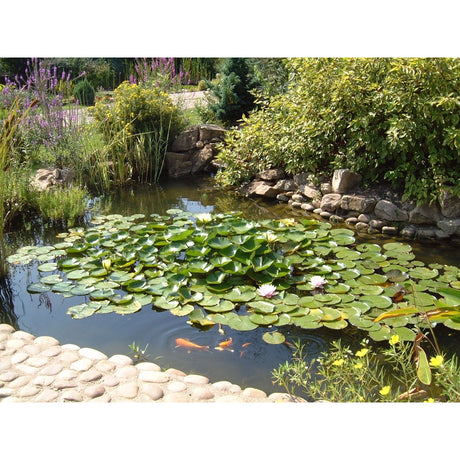
Wildlife ponds rely on gentle bank gradients, varied native flora and minimal mechanical disturbance to nurture frogs, newts and insects. Fish should never be introduced to control pests, as they consume amphibian larvae and disrupt delicate food webs.
Specialist koi ponds feature heavy waste loads and minimal planting, demanding advanced filtration regimes that fall outside standard garden pond advice. Matching your expectations to your pond type prevents conflicting maintenance choices and supports long-term ecological stability.

Tailoring maintenance to your pond type protects aquatic inhabitants and prevents unnecessary water disturbance.
Quick pond checks to build into your routine
A few moments of careful observation can reveal subtle shifts in water conditions before problems escalate. Regular visual monitoring provides early warnings that allow for prompt, proportionate adjustments.
-
Are fish swimming actively, feeding eagerly and holding their fins naturally without gasping at the surface?
-
Has the water level dropped faster than normal summer evaporation would explain?
-
Are external hose connections, waterfall plumbing or pump outlets leaking or partially obstructed?
-
Is water flowing smoothly through the filter outlet, waterfall or fountain head?
-
Has windblown debris gathered against marginal shelves or skimmer baskets?
-
Are vigorous floating or submerged plants covering too much surface area and restricting light?
-
Have sudden weather changes, heavy downpours or hot spells altered water clarity or oxygen levels?
Unusual fish behaviour or sudden equipment changes should prompt immediate investigation of water quality and pump mechanics rather than an automatic dose of treatment chemicals.
A visual inspection offers valuable day-to-day reassurance, but it does not replace chemical testing in ponds stocked with fish. Clear water can hide harmful concentrations of invisible dissolved compounds.
How to manage leaves, debris and pond sludge
Managing organic sediment involves distinguishing between harmless bottom silt and excessive decomposing sludge. Silt provides important shelter for beneficial micro-organisms, while thick rotting matter consumes dissolved oxygen and degrades water clarity.
Skim floating leaves, blossom petals and fallen twigs from the surface using a soft pond net before they sink to the bottom. Working gently along the perimeter helps you remove organic litter without stirring settled particles throughout the water column.
When substantial sediment must be cleared, work in distinct sections across different weeks to preserve resting invertebrate populations and avoid destabilising biological filtration.
Assess sediment depth carefully before undertaking major clean-outs, as established sludge layers house overwintering insect larvae and amphibians. Place removed vegetation and silt on the pond bank for a short period, allowing trapped creatures to crawl back into the water before disposal.
Pond water quality: look beyond clarity
Water clarity is not a reliable indicator of chemical safety in stocked garden ponds. Clear water can carry toxic concentrations of dissolved waste that cause severe stress to fish and amphibians.
Visual Appearance
Water may appear crystal clear while harbouring invisible dissolved toxins, or look temporarily murky with harmless suspended clay particles that settle naturally without harming wildlife.
Chemical Balance
Dissolved compounds such as ammonia, nitrite and pH require liquid droplet or strip test kits to measure accurately. Interpreting results depends on fish species, water temperature and feeding levels.
Routine testing for stocked systems should focus on ammonia, which is excreted directly by fish, alongside nitrite and overall pH stability. Ammonia and nitrite should remain undetectable in fully matured systems, as both compounds impair respiratory function in fish.
Never add commercial pH adjusters or chemical fixes blindly to correct minor test variations, as rapid chemical swings cause more harm than gradual natural drift. Seek qualified aquatic advice or consult detailed water management guidance when readings remain abnormal or livestock appears distressed.
Maintaining pond pumps, filters and UV clarifiers
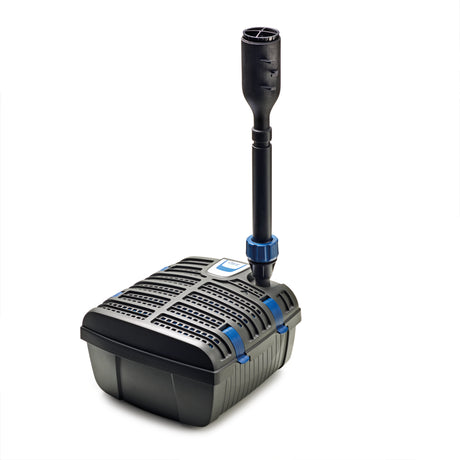
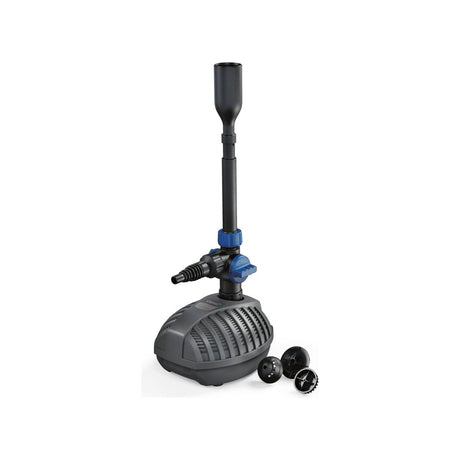
Mechanical equipment keeps recirculating systems clean, aerated and biologically active when maintained correctly. Understanding how each component works helps you clean equipment without destroying the natural processes that purify pond water.
Biological filtration relies on colonies of beneficial bacteria that convert toxic ammonia into less harmful compounds. A UV clarifier, or ultraviolet clarifier, exposes free-floating single-celled algae to ultraviolet radiation, causing them to clump together so mechanical filter foams can strain them out.
Always switch off and isolate electrical supplies at the mains before inspecting pumps, handling filter units or opening quartz sleeves, and engage a qualified professional for permanent outdoor electrical repairs.
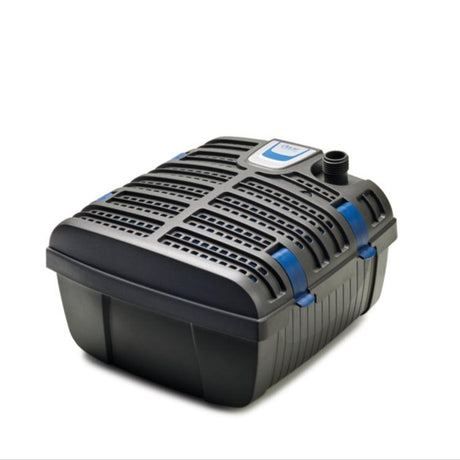
Inspect pump cages and intake strainers regularly to remove trapped weed, leaves and blanketweed that restrict flow. When cleaning filter boxes, rinse sponges and biological bio-media inside a bucket of extracted pond water rather than under running tap water, which contains chlorine that kills beneficial bacteria.
Follow manufacturer guidelines regarding annual UV lamp replacement and quartz sleeve descaling to maintain optical efficiency. Running filtration equipment continuously through winter depends on your livestock, pond depth and system plumbing, so verify cold-weather operating procedures for your specific equipment.

Rinsing filter media in pond water preserves the delicate bacterial colonies essential for natural waste processing.
Managing algae without reaching for a quick fix
Algae growth is a normal part of a living aquatic ecosystem, but excessive blooms indicate an imbalance of light and nutrients. Resolving recurring algae problems requires addressing root causes rather than relying on short-term chemical treatments.
Dissolved Nutrients
Excess fish food, fish waste and decaying plant debris release nitrates and phosphates that fuel rapid blooms of blanketweed and suspended green water.
Sunlight Exposure
Ponds positioned in unshaded positions receive intense sunlight, warming the water and accelerating cellular multiplication across both floating and string algae.
Plant Competition
Fast-growing marginals, water lilies and oxygenators absorb available nutrients and cast protective surface shade, outcompeting primitive algal cells naturally.
Distinguish between suspended single-celled algae, which turns the entire water body into a green pea-soup soup, and filamentous blanketweed, which forms dense green mats on rocks and plants. Blanketweed can be twirled out manually using a coarse broom or pond net without disturbing fish.
If you choose to use an algicide or water treatment, read the product label carefully to confirm correct dosing, oxygenation requirements and suitability for your livestock. Treating massive algae blooms during hot spells can deplete dissolved oxygen rapidly as dead plant cells decay, creating acute hazards for fish.
Plant care as part of pond upkeep
Aquatic plants provide essential shade, consume surplus nutrients, produce daytime oxygen and create shelter for aquatic creatures. Managing vegetation keeps plant growth healthy without allowing vigorous species to crowd out open water.
-
Monitor the spread of vigorous marginals and deep-water plants to prevent complete surface coverage.
-
Prune yellowing lily pads, spent blossom stems and rotting foliage before they sink and generate bottom silt.
-
Divide overgrown marginal baskets during active growth periods using clean, sharp pruning shears.
-
Balance floating species and surface lily leaves to leave sufficient open water for light penetration and surface gas exchange.
-
Select native UK species where possible, avoiding aggressive, invasive non-native aquatics that disrupt local wetlands.
-
Compost pruned pond trimmings responsibly on dry garden ground, never dumping pond waste or water into local natural watercourses.
Trimming back dense foliage in stages prevents sudden shifts in water temperature and preserves sheltered hiding places for young amphibians. Responsible disposal of aquatic clippings protects wild rivers and canals from accidental contamination by non-native species.
Seasonal pond upkeep in the UK
Adapting your maintenance routine to the shifting seasons keeps garden ponds stable through freezing winters and bright summer afternoons. Seasonal tasks work alongside natural biological cycles to support plant growth and fish welfare.
Adjust seasonal routines gradually in response to prevailing local weather patterns and actual water temperatures rather than relying rigidly on calendar dates.

Managing fallen foliage in autumn reduces the build-up of decomposing organic matter on the pond bed.
Spring
Spring maintenance begins with assessing winter wear, reconnecting stored equipment and checking pipework for frost cracks. Remove windblown leaves that accumulated over winter, inspect fish for healthy behaviour and thin out rapidly expanding marginal plants.
Begin feeding fish only when water temperatures rise consistently and livestock becomes naturally active. Relying on water temperatures rather than the calendar avoids uneaten food rotting on the pond floor before biological filter bacteria awaken.
Summer
Summer brings long daylight hours, rapid plant growth and increased water evaporation. Monitor water levels closely during warm spells, maintaining clear margins and thinning out excessive blanketweed growth manually.
When topping up water lost to evaporation, treat mains tap water with a suitable dechlorinator to neutralise harmful chlorine and chloramines. Provide extra aeration using air pumps or fountain outlets during close, humid nights when warm water holds less dissolved oxygen.
Autumn
Autumn priorities centre on leaf management and preparing the pond for winter dormancy. Fit temporary pond netting over the water before nearby deciduous trees drop their leaves, skimming off any debris that slips past.
Cut back dying marginal foliage and lower delicate water lilies toward deeper shelves if your region experiences heavy ice. Gradually taper fish feeding as autumn temperatures cool, switching to easily digestible wheatgerm formulations if appropriate.
Winter
Winter care focuses on sustaining gas exchange and preventing the pond from freezing over entirely during prolonged frosts. Fish activity slows dramatically, and feeding should cease once temperatures fall below the active threshold recommended for your fish species.
Never break surface ice with heavy blows or hammers, as shockwaves can injure resting fish beneath. Float a soft ball or run a low-wattage pond de-icer or air stone near the surface to maintain an open breathing vent for toxic gases to escape.
Your practical pond maintenance checklist
Maintaining a healthy aquatic habitat is straightforward when routine tasks are planned around realistic inspection intervals. Use this practical schedule to guide your seasonal checks and equipment servicing.
|
Task |
What to look for |
When to review |
Important consideration |
|---|---|---|---|
|
Visual inspection |
Fish behaviour |
Daily routine |
Look for active swimming, undamaged fins and steady surface respiration. |
|
Debris removal |
Floating leaves |
After storms |
Skim surface litter quickly before organic material sinks and forms sludge. |
|
Water testing |
Ammonia levels |
Regular testing |
Chemical balance matters more than water clarity in heavily stocked systems. |
|
Filter rinsing |
Flow reduction |
Monthly routine |
Clean sponges inside buckets of pond water to safeguard biological bacteria. |
|
Plant thinning |
Surface crowding |
Late summer |
Allow removed weed to sit at the edge so trapped wildlife can escape safely. |
|
Winter checks |
Ice formation |
Freezing weather |
Maintain an open breathing hole gently without striking ice with heavy tools. |
Common pond upkeep mistakes to avoid
Many common pond problems stem from well-intentioned maintenance that is too aggressive or poorly timed. Understanding what to avoid helps preserve biological balance and saves unnecessary physical effort.
-
Overfeeding fish leads to uneaten food decaying on the pond bottom, sparking severe ammonia spikes and rampant algae growth.
-
Overstocking ponds creates an excessive biological burden that overwhelms filtration capacity and depletes vital dissolved oxygen.
-
Assuming clear water is safe water can lead pond keepers to overlook dangerous build-ups of invisible ammonia or nitrite.
-
Draining, scrubbing and pressure-washing pond surfaces destroys essential biofilm and sets biological filtration back to zero.
-
Replacing all biological filter media simultaneously removes the bacterial colonies required to break down toxic fish waste.
-
Adding algaecides or treatments without identifying underlying nutrient causes leads to recurring blooms and wasted expense.
-
Ignoring persistent water loss allows slow plumbing leaks or liner punctures to drain ponds and leave livestock stranded.
-
Assuming all ponds require identical equipment overlooks the low-intervention needs of dedicated wildlife sanctuaries.
-
Disturbing bottom sediment during peak breeding or hibernation periods displaces overwintering newts and dormant invertebrates.
-
Purchasing oversized pumps or incompatible UV units can create excessive turbulence or exceed filter box flow capacities.
Choosing pond supplies that suit your setup
Selecting appropriate equipment and care supplies depends entirely on your pond volume, stocking levels, sunlight exposure and planting density. Choosing the correct specification ensures your setup operates efficiently without unnecessary power consumption or mechanical strain.
Core product categories include tailored seasonal fish food, energy-efficient circulation pumps, external filter boxes, water-testing kits, long-handled maintenance nets and model-matched replacement UV lamps. Suitability varies widely between different installations, and what works well for an open koi pool may prove inappropriate for a quiet wildlife sanctuary.
Before seeking advice on equipment or treatments, gather key details about your pond: approximate water volume, fish species and numbers, current filter model, visible water symptoms and recent test readings.
Always check manufacturer instructions, dosing guidelines and safety precautions on product labels before adding any treatment to your pond. Keep children and pets safely supervised around open water, store aquatic chemicals securely, and maintain non-slip pathways around stone edging.
Frequently asked questions
How much upkeep does a garden pond need?
Garden pond upkeep requires only a few minutes of regular observation alongside seasonal tasks such as clearing autumn leaves or trimming summer plants. The exact time depends on pond size, stocking density, sunlight exposure and whether filtration equipment is installed. Balanced ponds with generous planting and low fish numbers generally demand far less physical intervention.
How often should I clean my pond?
A garden pond should be cleared of surface debris regularly, but deep cleaning of sediment should happen only when heavy sludge accumulation threatens water quality. Routine maintenance involves skimming leaves and gently rinsing filter sponges rather than draining the pond. Complete drainage disrupts the biological balance and should be avoided during normal care.
Does every pond need a filter?
A filter is not necessary for every garden pond, particularly dedicated wildlife ponds with abundant plants and no fish. Ponds stocked with goldfish or koi produce ongoing organic waste that generally requires biological and mechanical filtration to process harmful compounds. An unstocked pond can maintain clear, healthy water through balanced planting, good oxygenation and natural biological processes.
Why is my pond green even after cleaning?
Green pond water persists after cleaning because suspended single-celled algae feed on dissolved nutrients and sunlight rather than heavy bottom debris. Deep cleaning often removes beneficial bacteria or introduces nutrient-rich fresh tap water, temporarily accelerating algal blooms. Establishing healthy plant growth, shading the water surface and using a correctly matched ultraviolet clarifier provide lasting control.
Should I keep my pond pump running in winter?
Running a pond pump in winter depends on your livestock, pond depth and the manufacturer's operational advice. In stocked fish ponds, running aeration or a gently circulating pump helps prevent total freezing and maintains vital oxygen exchange. Pumps positioned on the pond floor should often be raised to shallower ledges to avoid chilling the warmer bottom layer where fish rest.
Is wildlife pond maintenance different from fish pond maintenance?
Wildlife pond maintenance differs significantly from fish pond care because it prioritises habitat preservation and minimal disturbance over mechanical filtration and water feeding. Fish ponds focus heavily on managing waste, monitoring ammonia and cleaning mechanical filters to safeguard fish health. Wildlife ponds rely primarily on varied native planting, gentle slope access and leaving natural sediment undisturbed for overwintering amphibians and invertebrates.
Build a pond care routine that works for your garden
Caring for a garden pond succeeds through regular observation, gentle intervention and adjusting tasks to the changing seasons. Understanding how water chemistry, plants, debris and equipment interact allows you to keep the habitat stable without disruptive overhauls. Looking for help with pond upkeep? Explore Water World’s pond supplies and care guides, or contact the team with details of your pond and existing equipment to discuss suitable options.